CCTV New Rule 2026 India: STQC Certification & ER Compliance Required from 1 April 2026 (Explained)
Starting April 1, 2026, non-compliant CCTV cameras can no longer be manufactured, imported, or sold in India. If you are a business owner with an existing CCTV system, this regulation directly impacts you. Here is everything you need to know about the STQC certification mandate, what it means for your current cameras, and what steps you should take right now.
What is STQC Certification and ER-01 Compliance?
STQC stands for Standardisation Testing and Quality Certification, a directorate under the Ministry of Electronics and Information Technology (MeitY). In March 2024, the Government of India issued a gazette notification introducing Essential Requirements (ER) for CCTV cameras under the Compulsory Registration Order.
What Is the New CCTV Rule in India?
The Government of India introduced new cybersecurity and safety regulations for surveillance equipment to improve national security and prevent use of insecure electronic devices. Under this regulation:
- Every CCTV device must follow MeitY Essential Requirements
- Each model must be tested in an approved lab
- Devices must have secure hardware & software
- Unauthorized or untested products cannot be sold
The rule applies to:
- Manufacturers
- Importers
- Distributors
- Dealers
- Installers
- System integrators
What Are “Essential Requirements (ER)” for CCTV?
The Essential Requirements are technical and security standards that every CCTV device must meet before being sold in India. Key requirements include:
- Unique user login credentials (no default password)
- Secure firmware & software updates
- Restricted unauthorized remote access
- Data protection mechanisms
- Secure communication protocol
- Device identification & traceability
In simple terms:
The camera should not be hackable easily.
Deadline: What Happens on 1 April 2026?
Earlier, the government gave additional time to sell: • Imported stock
• Previously manufactured stock This relaxation was to help businesses clear inventory. Now the transition period ends. From 1 April 2026:
- Non-ER compliant CCTV cameras cannot be sold
- Dealers cannot install unapproved cameras
- Import of non-compliant devices will not be allowed
- Only certified products can enter the market
Impact on Dealers and Distributors
Dealers must be very careful now. If a dealer installs a non-compliant camera:
- The product may be seized
- Installation may be rejected in government projects
- Service issues may arise
- Future penalties may be possible
Dealers should:
- Verify certification
- Purchase from compliant manufacturers
- Avoid old stock after the deadline
Impact on Customers & Businesses
Businesses buying CCTV systems should also check compliance. Because:
- Insurance claims may require certified surveillance
- Government tenders may demand approved devices
- Data safety becomes important
After April 2026, installing uncertified cameras may lead to replacement costs later.
How to Check If a CCTV Camera Is ER-Compliant
Before purchasing, verify:
- Certification from approved lab
- Manufacturer compliance declaration
- Updated firmware security
- Proper documentation
- Authorized distributor
FAQs
1.Can old CCTV cameras still be used after April 2026?
ANS. Yes. Existing installed cameras can continue to operate. The restriction applies to selling and installing new non-compliant devices, not to already installed systems.
2.Can dealers sell remaining stock after 1 April 2026?
ANS. No. After the deadline, non-ER compliant CCTV cameras cannot legally be sold or newly installed.
3.Does this rule apply to home CCTV users?
ANS. Yes. The regulation applies to all CCTV sales in India, whether for homes, offices, or commercial projects.
4.Why is ER compliance important?
ANS. ER compliance ensures the camera is secure against hacking, protects recorded data, and meets cybersecurity standards required for modern surveillance devices.
-
 April 23rd, 2026
 -
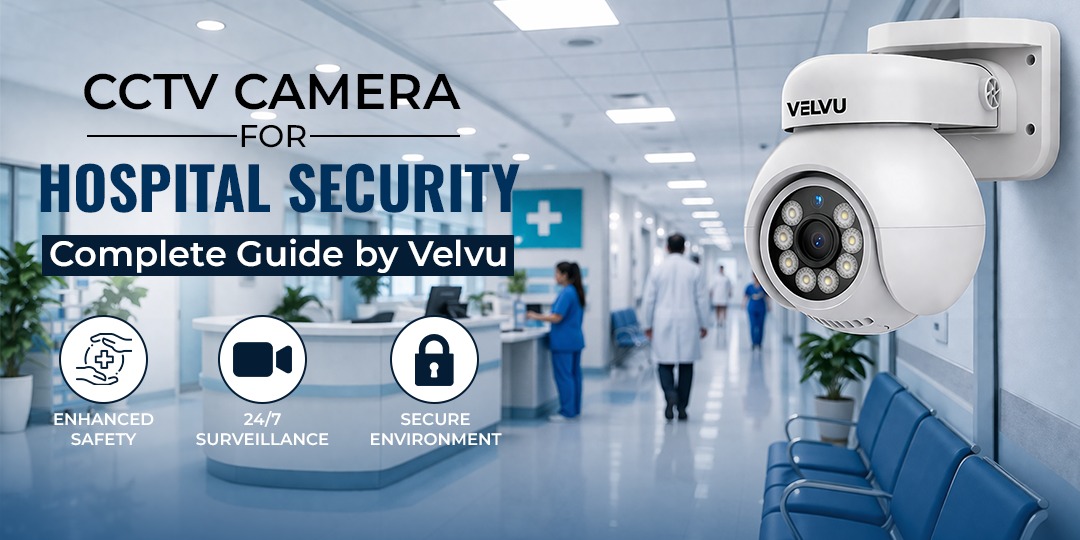
CCTV Camera for Hospital Security in India – Complete Guide by Velvu
April 16th, 2026